
Cockroach and Silverfish Infestations in Kitchens and Bathrooms
Cockroach and silverfish infestations are two of the most common pest problems found in kitchens and bathrooms. These environments provide everything these insects need to survive: moisture, warmth, and access to organic matter.
Although they are very different species, both pests thrive in similar conditions and are often early indicators of underlying hygiene or damp issues. Their presence should never be ignored, as both can multiply quickly and become difficult to control once established.
Understanding why they appear, how to identify them early, and what conditions support their survival is essential for effective long-term pest management.
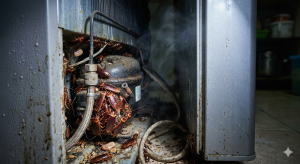
Why Kitchens and Bathrooms Attract Cockroaches and Silverfish
Kitchens and bathrooms create ideal micro-environments for moisture-loving pests. These areas combine warmth, humidity, and hidden food sources, making them highly attractive for both cockroaches and silverfish.
Key attractants include:
- Constant moisture from sinks, showers, and pipework
- Food residues and grease in kitchen areas
- Organic debris such as hair, soap scum, and skin particles
- Dark, undisturbed spaces behind appliances or fittings
- Poor ventilation leading to humidity build-up
Once established, both pests can survive in concealed areas for long periods, making early detection critical.
Cockroach Infestations in Kitchens and Bathrooms
Cockroaches are highly adaptable pests that prefer warm, humid environments close to food and water sources. Kitchens and bathrooms provide the perfect conditions for survival and reproduction.
Common Species Found Indoors
- German cockroach (most common in UK homes and commercial kitchens)
- Oriental cockroach (often found in damp basements and drains)
- Brown-banded cockroach (prefers warmer, drier indoor areas but still hides in kitchens)
Signs of a Cockroach Infestation
Live or Dead Cockroaches
Seeing cockroaches during the day often indicates a large established infestation, as they are typically nocturnal.
Droppings and Smear Marks
Cockroach droppings resemble small black pepper-like specks and may appear in cupboards, behind appliances, or along skirting boards.
Musty, Oily Odour
A strong, unpleasant smell often develops in heavily infested areas due to pheromones and waste accumulation.
Egg Cases (Oothecae)
These small, capsule-like structures are often hidden in cracks, behind furniture, or inside appliances.
Shed Skins
As cockroaches grow, they shed their exoskeletons, which may be found in nesting areas.
Where Cockroaches Hide
- Behind refrigerators and ovens
- Inside cupboards and food storage areas
- Under sinks and around pipework
- Inside electrical appliances and voids
- Drainage systems and plumbing cavities
Silverfish Infestations in Kitchens and Bathrooms
Silverfish are small, wingless insects that thrive in dark, damp environments. Unlike cockroaches, they do not pose a direct contamination risk but can still cause damage to household materials.
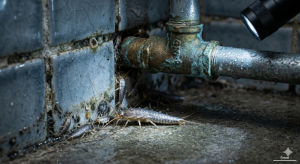
Signs of Silverfish Activity
Irregular Feeding Damage
Silverfish feed on starches and sugars found in paper, glue, textiles, and food residues. Damage may appear as irregular holes or surface scraping.
Small Pepper-Like Droppings
Their droppings are tiny and often found near paper products, skirting boards, or bathroom fixtures.
Shed Skin Casts
Silverfish shed their skin multiple times as they grow, leaving translucent remains in hidden areas.
Night-Time Sightings
They are fast-moving and usually seen at night when lights are turned on suddenly.
Where Silverfish Hide
- Behind bathroom tiles and bathtubs
- Under sinks and inside cupboards
- Behind wallpaper and skirting boards
- Around pipes and plumbing voids
- In storage areas with paper or cardboard
Why These Infestations Often Go Undetected
Both cockroaches and silverfish are nocturnal and highly secretive. They prefer dark, undisturbed environments and often remain hidden during the day.
Infestations often go unnoticed because:
- Activity occurs mainly at night
- Pests hide in narrow cracks and voids
- Early populations are small and scattered
- Signs are mistaken for general dirt or damp
By the time visible sightings occur, infestations are often well established.
Health and Hygiene Risks
Cockroaches
Cockroaches are known to carry and spread bacteria, making them a significant hygiene concern in kitchens.
Risks include:
- Contamination of food preparation surfaces
- Spread of pathogens such as Salmonella and E. coli
- Triggering asthma and allergic reactions
- Cross-contamination between waste and food areas
Silverfish
While not directly dangerous to health, silverfish can still cause issues:
- Damage to paper, books, and documents
- Contamination of stored food in severe cases
- Damage to wallpaper, fabrics, and adhesives
- Indication of underlying damp or moisture problems
Effective Treatment Options
Deep Cleaning and Hygiene Control
Thorough cleaning is essential to remove food sources, grease, and organic debris that support infestations.
Focus on:
- Behind appliances and under sinks
- Cupboards and food storage areas
- Bathroom tiles and hidden corners
Targeted Insect Treatments
Professional insecticides or gel baits are often required for cockroach control, targeting nesting areas rather than visible insects.
Moisture Reduction
Since both pests thrive in humidity, controlling moisture is critical:
- Repair leaks and dripping pipes
- Improve ventilation in bathrooms and kitchens
- Use extractor fans where possible
- Reduce condensation build-up
Sealing Entry and Harbourage Points
Blocking access routes helps prevent reinfestation:
- Seal cracks in walls and tiles
- Fill gaps around pipework
- Repair damaged skirting boards and fittings
Why DIY Treatments Often Fail
Over-the-counter sprays often provide only temporary relief because they:
- Kill visible insects but not hidden colonies
- Do not reach deep harbourage areas
- Fail to address moisture or structural issues
- Allow rapid reinfestation from surviving eggs or nests
Without targeting the root cause, infestations often return within days or weeks.
When to Call a Pest Control Professional
Professional intervention is recommended when:
- Cockroaches are seen during the day
- Silverfish are repeatedly found in multiple rooms
- DIY treatments fail to reduce activity
- Infestations are spreading between kitchen and bathroom areas
- There is evidence of nesting behind appliances or tiles
Early treatment prevents long-term establishment and structural spread.
Prevention Strategies
- Maintain strict kitchen hygiene and remove food residues immediately
- Keep bathrooms dry and well ventilated
- Seal cracks, gaps, and pipe entry points
- Store food in airtight containers
- Reduce clutter in damp or dark areas
- Regularly inspect under sinks and behind appliances
Consistent prevention is far more effective than reactive treatment.
Conclusion
Cockroach and silverfish infestations in kitchens and bathrooms are strongly linked to moisture, warmth, and poor access control. While these pests differ in behaviour and biology, both thrive in similar environments and can quickly establish hidden populations.
Early identification, combined with proper hygiene management, moisture control, and structural sealing, is essential for effective long-term control. In persistent cases, professional pest treatment ensures complete eradication and helps prevent recurrence.
Expert Tips & Guides to Prevent Pests After Treatment in London
- Flies in Kitchens and Waste Areas (Drain and Hygiene-Related Infestations)
- Ant Pest Control for Recurring Indoor Infestations
- Bed Bug Heat Treatment for Full Eradication in One Visit
- Pest Survey Reports for Mortgage and Property Safety Checks
- Signs of Hidden Pest Infestations Behind Walls and Appliances
- Cockroach and Silverfish Infestations in Kitchens and Bathrooms
- Flea Infestations in Homes Without Pets
- Chemical-Free Treatments for Hidden Infestations